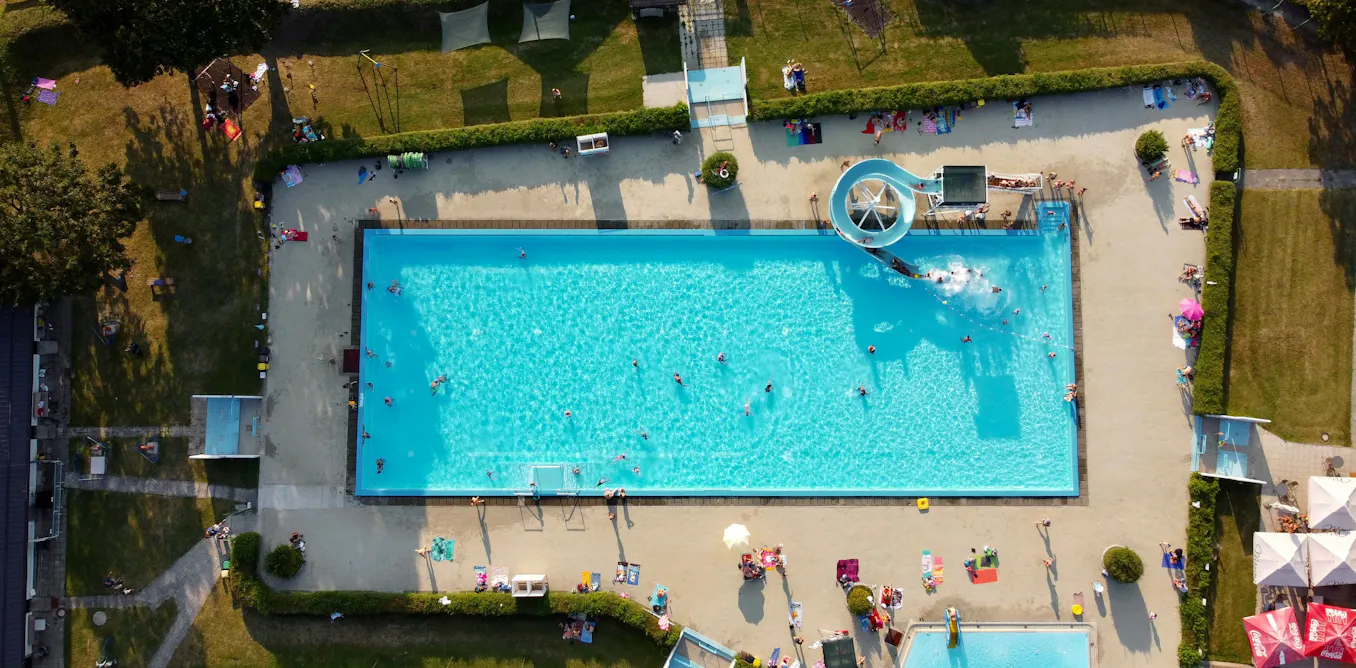
Pool dangers and drowning prevention when it’s not swimming time
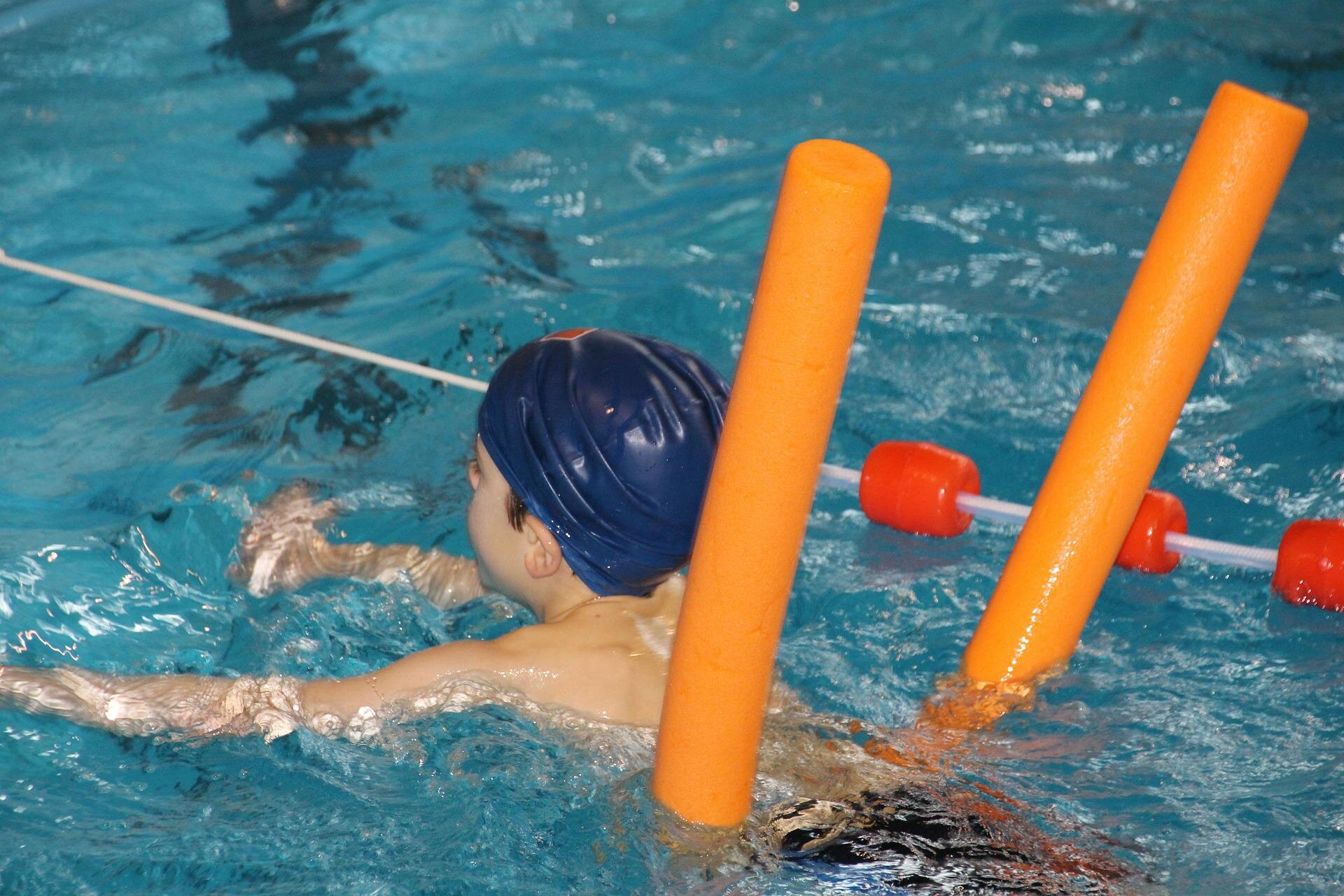
Swimming pools can have a powerful pull on little children―even when it’s not swimming time. Those glistening turquoise-blue ripples may look especially inviting to an active toddler or an overly confident preschooler.
The American Academy of Pediatrics recommends several ways parents can help keep children safe around swimming pools and hot tubs all year long―in your own backyard, your neighbor’s or on vacation.
The U.S. Consumer Product Safety Commission studied drownings among children aged 4 and under in Arizona, California and Florida, where pools are especially common. It found that nearly 70% of the children were not expected to be at or in the pool, yet they were found in the water. In fact, 46% of the children were last seen in the house.
Pool fences are important for ALL pools, including permanent in-ground pools, above-ground pools and hot tubs. Between 2013 and 2015, 58% of drownings among children aged 4 and under took place in a pool or spa at their own home. Most children drowned when they wandered out of the house and fell into a swimming pool that was not fenced off from the house. They slipped out a door, climbed out a window, or even crawled through a doggy door to access the pool.
But a family swimming pool isn’t the only one a child can get into unnoticed. More than a quarter (27%) of drownings among children aged 4 and under took place at the home of a friend, relative or neighbor. Only some individual states and municipalities have laws requiring pool safety fences, and there is no national pool fence law. Whenever your child is in someone else’s home, always check for ways your child could access pools and other potential hazards.
Fences are a very effective, proven way to prevent drowning of young children. Pool fences should be climb-proof, at least 4 feet high with no more than 4 inches of gap between boards, and completely surround the pool, separating it from the house and the rest of the yard. It is also important that the latch be placed high enough that a small child cannot reach it and that the pool remains locked when not in use.
Beyond a fence, additional layers of protection such as pool alarms, door and gate alarms, and pool covers can provide some added safety. Make sure alarms are in good shape with fresh batteries and keep in mind none are substitutes for a properly installed pool fence.
Even with safety measures in place, parents should be prepared in case their child gets into a swimming pool unseen.
To avoid this, assign a water watcher. His or her job is to watch all children swimming or playing in or NEAR water―such as on a backyard swing set―even if they know how to swim. This person should not be under the influence of drugs or alcohol, be off their phone, and remain vigilant even at a pool with lifeguards.
Other important safety precautions include access and wearing of life jackets and ensuring your child is properly prepared with swim lessons. Parents, caregivers and pool owners should know CPR and how to get emergency help. In addition, if a child is missing, look for him or her in the pool or spa first. This is especially important if your child is prone to wandering.
2025 Tribune Content Agency, LLC.
Citation:
Pool dangers and drowning prevention when it’s not swimming time (2025, July 28)
retrieved 30 July 2025
from
This document is subject to copyright. Apart from any fair dealing for the purpose of private study or research, no
part may be reproduced without the written permission. The content is provided for information purposes only.
link