AI Enhances Pool Safety But Raises Data Privacy Concerns
Artificial intelligence (AI) is revolutionizing safety measures at swimming pools, but experts caution about the importance of adhering to data protection laws. AI technologies are being implemented to provide efficient monitoring from the poolside, ensuring timely responses during emergencies.
According to Tobias Keber, the State Commissioner for Data Protection and Freedom of Information, who recently presented his annual report, the introduction of AI-driven surveillance often leads to underestimations of the data protection ramifications involved. “The swimming pools and administrations underestimate this because they often rely on off-the-shelf software. They need to question the offerings and do their homework,” Keber emphasized during the report’s presentation.
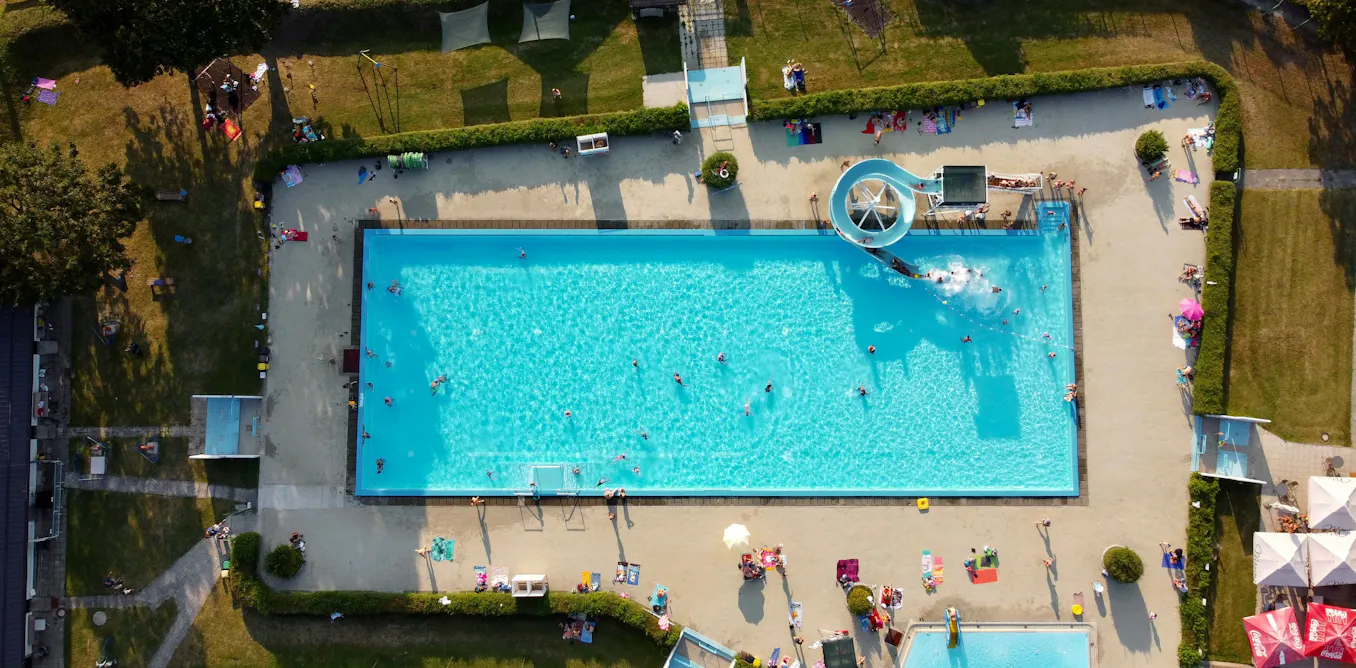
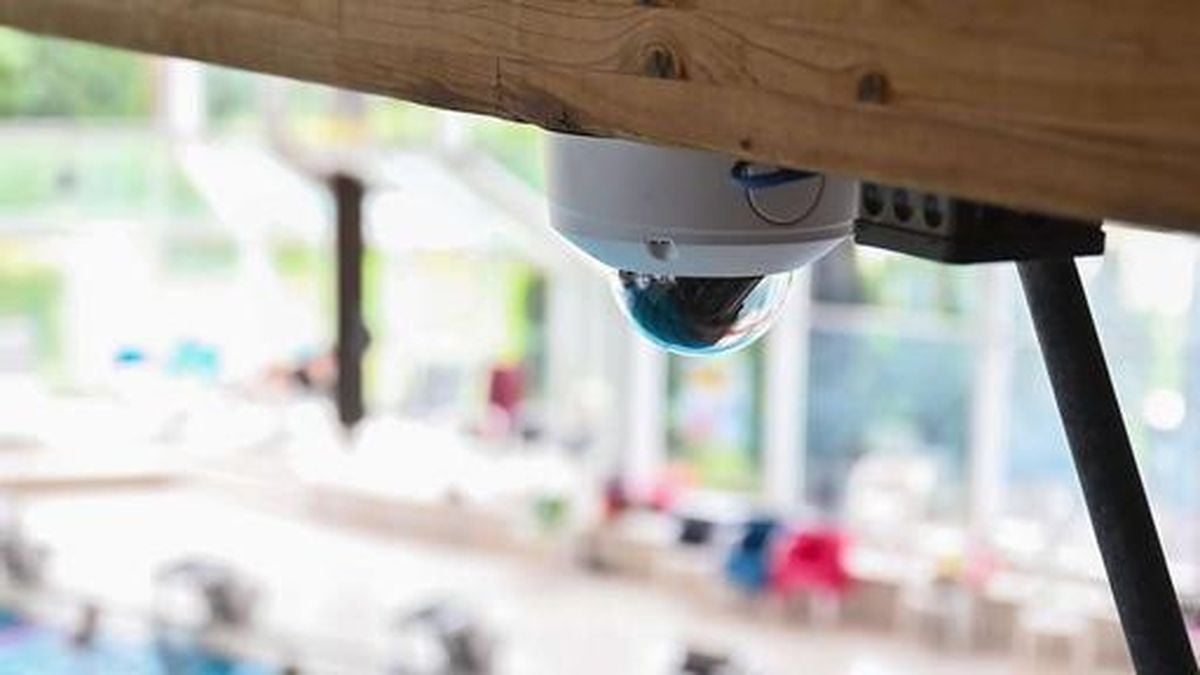
AI-enabled surveillance systems are already operational at several swimming establishments across Baden-Württemberg, with the number of facilities employing these technologies on the rise. The Panorama-Bad, located in Freudenstadt, stands out as a pioneer for its implementation of cameras since Summer 2023. These cameras not only monitor the number of individuals present but also alert staff to any overcrowding or motionless persons within the water.
This surveillance technology marks significant progress over traditional drowning detection systems, as it can identify specific movement patterns indicative of potential emergencies before they escalate. The cameras transmit recordings to servers where AI processes the images in real-time, distinguishing between normal and unusual activity, and sends alerts to smartwatches worn by lifeguards.
Despite these advancements, Keber asserts the necessity of having appropriate legal frameworks for the processing of personal images captured by AI systems. Currently, there is no modern legal basis governing the use of personal data concerning image processing by AI, creating potential legal grey areas for pool administrators.
“It’s important for visitors to have the freedom to move within the pool area without fear of constant monitoring. Hence, public swimming pools require legal foundations similar to those outlined within the State Data Protection Act to safeguard personal rights,” Keber argues.
While AI technology promises enhanced safety measures, the regulatory environment surrounding its application, particularly concerning personal data privacy, remains under scrutiny. The local administrations and operators are encouraged to seek guidance from Keber’s office, which offers advice and strategies to comply with existing data protection laws.
Authorities like Keber are calling for lawmakers to modernize regulations to align with technological advancements brought on by AI. The regulations currently stated within the existing State Data Protection Act are considered waxen and unyielding compared to the rapid advancements in AI technologies.
Even with increased adoption of AI surveillance systems, there is no warranty against data privacy vulnerabilities. Increased scrutiny of how personal data, especially visual data, is handled by these systems is imperative to avoid potential breaches of privacy rights.
AI surveillance at public pools serves as both a precautionary measure against potential emergencies and as a point of contention concerning individual privacy rights. With multiple swimming pools already using or gearing up to introduce this technology, it is clear the conversation around how best to protect and manage personal information remains pertinent as the industry evolves.
Nevertheless, the balance between security and privacy continues to be tested as this technology integrates itself more deeply within public leisure spaces. Emergency responses could improve impressively—saving lives—yet the fundamental rights of bathers must be of utmost priority.
It’s evident from the developments observed within local swimming facilities like Panorama-Bad, as well as others like those located in Karlsruhe and Pforzheim getting prepared to utilize AI surveillance, the future of swimming pool safety looks to be unfurling under the influence of AI technology.
link